Understanding Maori Culture: Protocol for Visitors
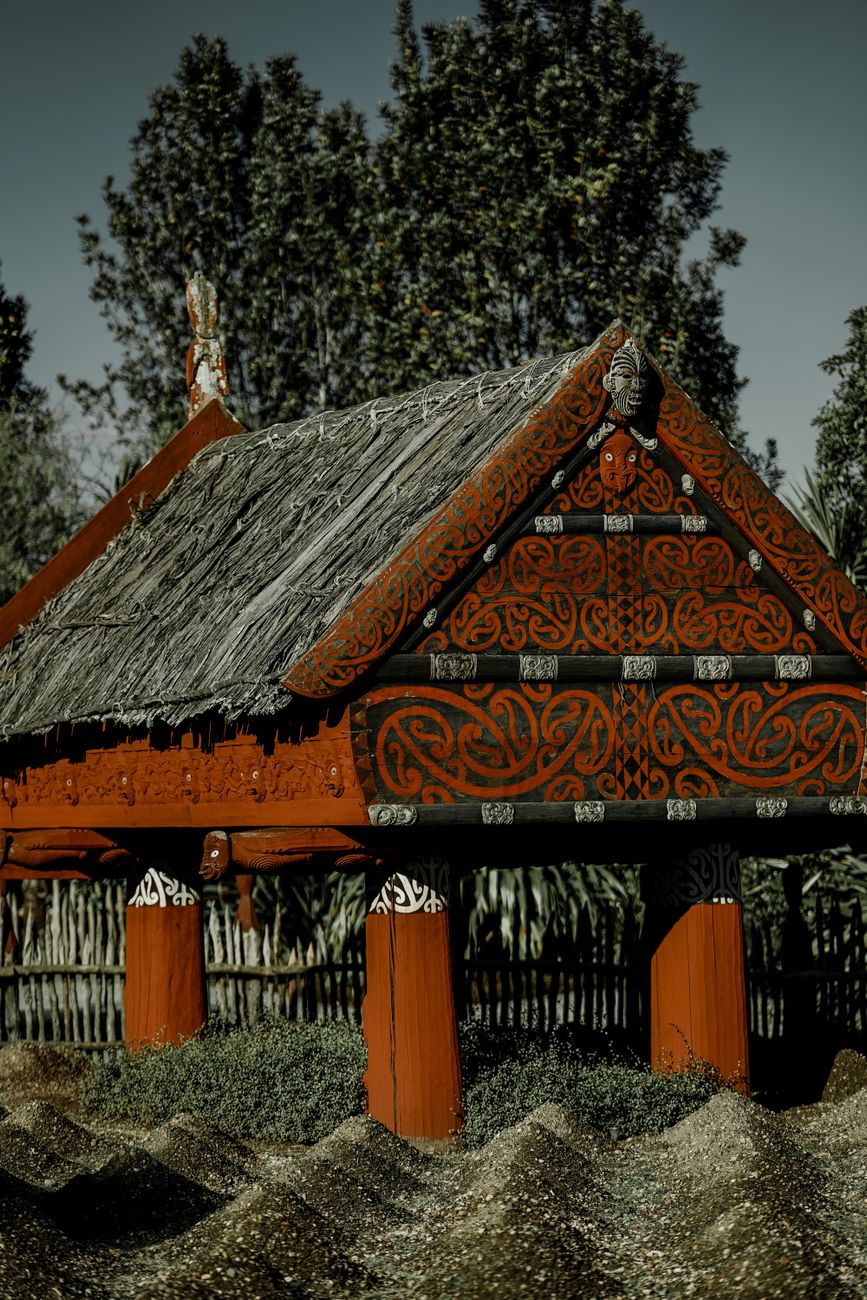
Travelling in Aotearoa New Zealand offers a unique opportunity to engage with Te Ao Maori (the Maori world). Understanding basic principles of tikanga (customs) ensures your presence is respectful and enriching.
1. The Concept of Tapu and Noa
In Maori culture, tapu signifies something sacred, restricted, or spiritual, while noa means non-sacred or ordinary. Many natural landmarks—such as mountain peaks, rivers, and burial sites—carry tapu status.
When visiting areas designated as tapu, observe posted signage carefully. Refrain from stepping directly on carved structures, sitting on tables used for food preparation, or leaving litter anywhere in nature.
2. Visiting a Marae (Powhiri Etiquette)
A marae is a communal and sacred meeting grounds for Maori iwi (tribes). Entering a marae usually involves a formal welcome ceremony called a powhiri.
- Remove shoes before entering the meeting house (Wharenui).
- Refrain from taking photographs or recording unless explicit permission is given by elders.
- Accept food served during the hakari (feast) as it signifies the completion of the welcoming process.
3. Environmental Guardianship (Kaitiakitanga)
Maori view human beings as deeply intertwined with the natural environment. Practicing kaitiakitanga means leaving trails cleaner than you found them, protecting native wildlife like the Kiwi and Kea, and utilizing wash stations to prevent kauri dieback disease in Northland forests.
Book an Indigenous-Guided Tour
Connect with authorized Maori tour operators for authentic storytelling, traditional paddling, and cultural immersion.
Connect with Cultural Guides